Exploring the cultural significance of gambling across societies
Historical Perspective on Gambling
Gambling has a rich history that dates back thousands of years, with evidence found in ancient civilizations such as the Chinese and Romans. In ancient China, around 2300 BC, people used rudimentary betting games involving dice and tiles, laying the groundwork for future gambling practices. The Romans also incorporated gambling into their culture, particularly through their love for dice games, which were often played during public gatherings and festivals, illustrating how deeply ingrained the activity was in social interaction. Today, some enthusiasts turn to online platforms like https://rockyspincasinos.com/ for their gaming experiences, highlighting the evolution of gambling through the ages.

As societies evolved, so did the methods and games associated with gambling. The introduction of playing cards in the 9th century from China to Europe marked a significant shift, leading to the development of various card games that would become popular in gambling houses. By the Renaissance, gambling had become an established part of European culture, with the rise of casinos in Italy, reflecting a growing acceptance of the practice as both a form of entertainment and social bonding.
In modern times, gambling has taken on new dimensions with the advent of technology. The internet revolutionized how gambling is perceived and accessed, leading to the emergence of online casinos and mobile gaming platforms. This shift has made gambling more accessible to a broader audience, influencing cultural perceptions and leading to a normalization of gambling in many societies. Today, gambling is not merely seen as a pastime but as an integral part of cultural identity in various regions around the globe.
Gambling and Social Interaction
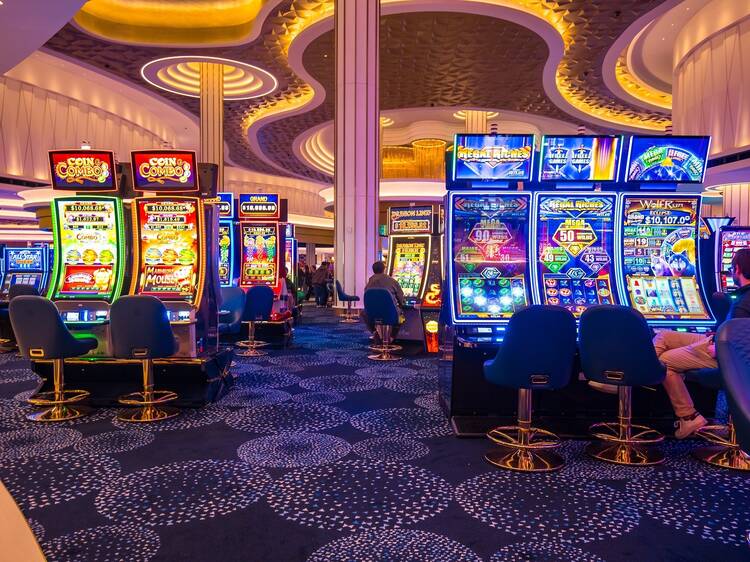
The cultural significance of gambling extends beyond mere financial transactions; it serves as a crucial medium for social interaction. In many societies, gambling activities provide a platform for community bonding, offering opportunities for individuals to connect through shared experiences. For instance, in places like Las Vegas or Macau, casinos are not just venues for gambling but also social hubs where friends and families gather to celebrate special occasions or simply enjoy each other’s company, fostering social ties and communal spirit.
Moreover, gambling events, such as poker nights or bingo games, often break the monotony of daily life, creating a festive atmosphere that encourages socialization. These gatherings can serve as a means to bridge cultural divides, as people from diverse backgrounds come together to partake in a shared activity. Such interactions can lead to an appreciation of different cultures and the development of friendships based on mutual interests, which ultimately strengthens social cohesion.
However, the social aspects of gambling can also lead to negative consequences. While it can foster community and friendship, it can also perpetuate social issues such as addiction or financial strain. Societies must navigate these complexities, finding a balance between the enjoyment of gambling as a social activity and the potential risks it poses to individuals and communities. Awareness and education about responsible gambling practices are essential to ensure that the cultural significance of gambling remains positive.
The Psychology Behind Gambling
The psychology of gambling is a fascinating subject that delves into why individuals are drawn to games of chance. Many psychologists argue that the thrill of gambling lies in the unpredictability and excitement it offers. This excitement is often heightened by the possibility of winning, which can trigger the brain’s reward system, releasing dopamine and creating a sense of pleasure. This neurochemical response can lead to repeated gambling behavior, as the thrill of winning can be both addictive and exhilarating.
Additionally, the notion of risk and reward plays a significant role in the psychology of gambling. Many gamblers are attracted to the idea of beating the odds, viewing it as a challenge that tests their skills and luck. This perspective can be particularly prominent in competitive gambling environments, where players believe that strategic thinking and skill can influence outcomes. This belief may drive people to engage in gambling not just for leisure but as a pursuit of mastery, fueling their passion and involvement.
However, the psychological aspects of gambling can lead to harmful behaviors if not managed properly. The lure of easy money can cause individuals to overlook the risks involved, leading to potential gambling addiction. Understanding the psychological triggers that drive gambling behavior is crucial for both individuals and communities, as it can inform strategies for promoting responsible gambling and mitigating the risks associated with excessive gambling. Education about the psychological elements involved can empower individuals to make informed choices and engage with gambling safely.
Cultural Variations in Gambling Practices
Gambling practices and their cultural significance can vary widely across different societies. In some cultures, gambling is celebrated and seen as a legitimate form of entertainment, while in others, it is viewed with skepticism or even disdain. For instance, in many Western countries, casinos and sports betting are widely accepted and regulated, often incorporated into social events. Conversely, in parts of Asia, gambling traditions are deeply rooted in cultural practices, such as during festivals, where games of chance are played to celebrate and bring good fortune.
The cultural attitudes toward gambling can also influence laws and regulations surrounding the practice. Countries like Australia and the UK have integrated gambling into their social fabric, with a variety of legal gaming establishments operating under strict regulations. In contrast, other nations may impose severe restrictions or outright bans on gambling, stemming from religious or cultural beliefs. These variations highlight how cultural contexts shape the acceptance and regulation of gambling.
Furthermore, cultural beliefs and traditions often dictate the types of games that are popular in different regions. For example, the popularity of Mahjong in Chinese culture is not just a game but a social activity that embodies cultural values like community and cooperation. Understanding these cultural variations allows for a deeper appreciation of gambling’s role in society, shedding light on how it reflects broader social norms and values within different communities.
Rockyspin Casino: A Cultural Experience
Rockyspin Casino offers a unique perspective on the cultural significance of gambling in today’s digital age. By providing a diverse selection of gaming options, from traditional table games to innovative slots, it caters to a wide audience, reflecting the varied cultural attitudes towards gambling. The platform serves as a modern embodiment of the social and entertainment aspects of gambling, allowing players to connect and engage with games that resonate with their cultural backgrounds.
Moreover, Rockyspin Casino prioritizes responsible gaming, recognizing the importance of promoting a safe and enjoyable gambling environment. By offering educational resources and support for players, it aims to mitigate the potential negative impacts associated with gambling. This commitment to responsible gaming demonstrates a cultural awareness of the challenges posed by gambling, fostering a culture of safety and fun.
As technology continues to shape the landscape of gambling, Rockyspin Casino remains at the forefront, providing a platform that not only entertains but also educates its users about the cultural significance of gambling. By embracing the complexities of gambling culture, it contributes to a broader understanding of how gambling can be both a source of enjoyment and a topic of important social discourse.
